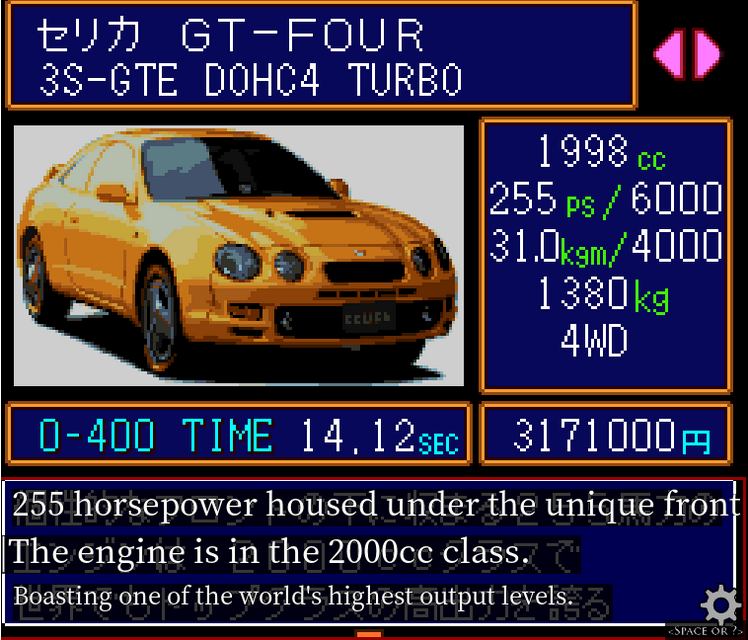
Yes - he’s done it, Taro bought the SRT205 Toyota Celica GT-4!

:
255 horsepower housed under the unique front. The engine is in the 2000cc class. Boasting one of the world’s highest output levels.
What color car would you like to buy?
Sadly Inside is just a mistranslation of ‘Black’,
Taro chose Yellow, but if you look at it under the right light, yellow looks like Castrol WRC Rally livery… Honest.
:
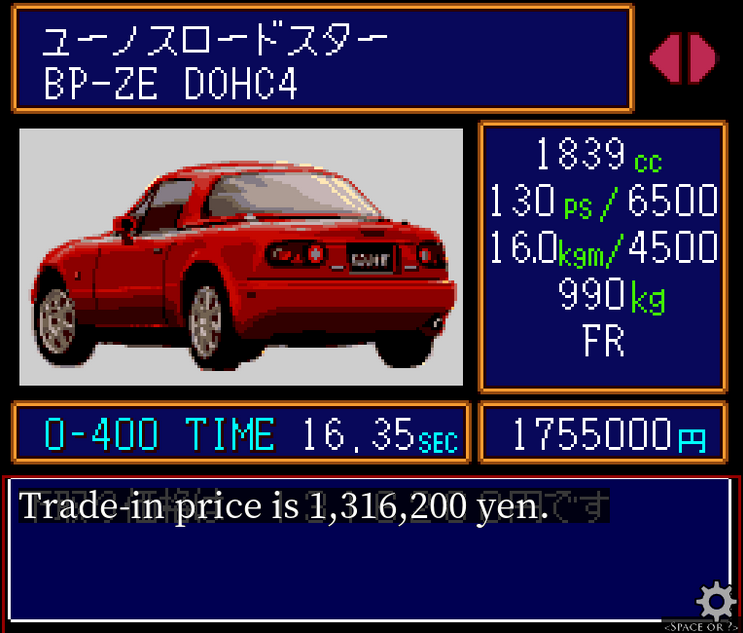
"Would you like to trade in your car? Trade in price is 1,316,200 yen. Yes / No
Actually… No. Since we earned a boatload from our various Kowloon grinding escapades, I think we can afford to hold onto ol’ Arm for now.
Plus, the car modification and selection screens have a ‘choose your car’ interface ala Zero4Champ II, that makes me half think (and hope!) that in the later game there’ll be reasons for having more than one.
:
thank you very much
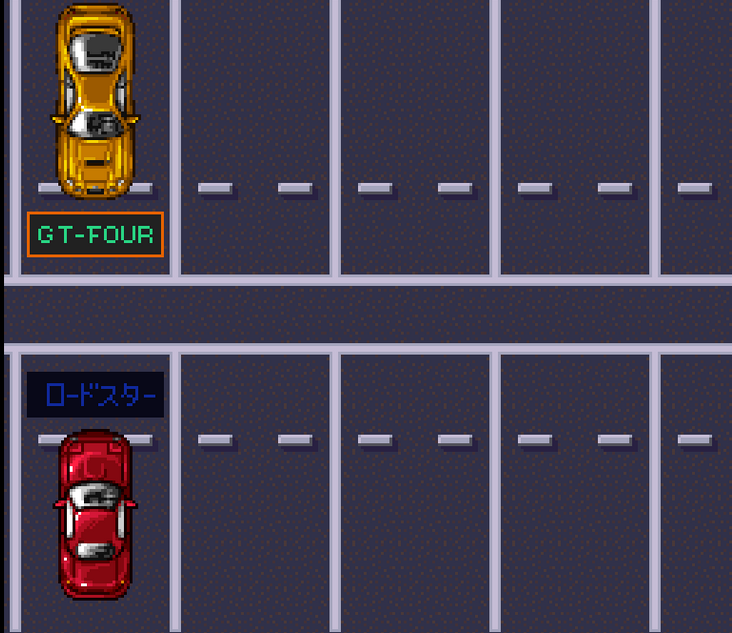
: I'll keep my car serviced and in the garage.
:
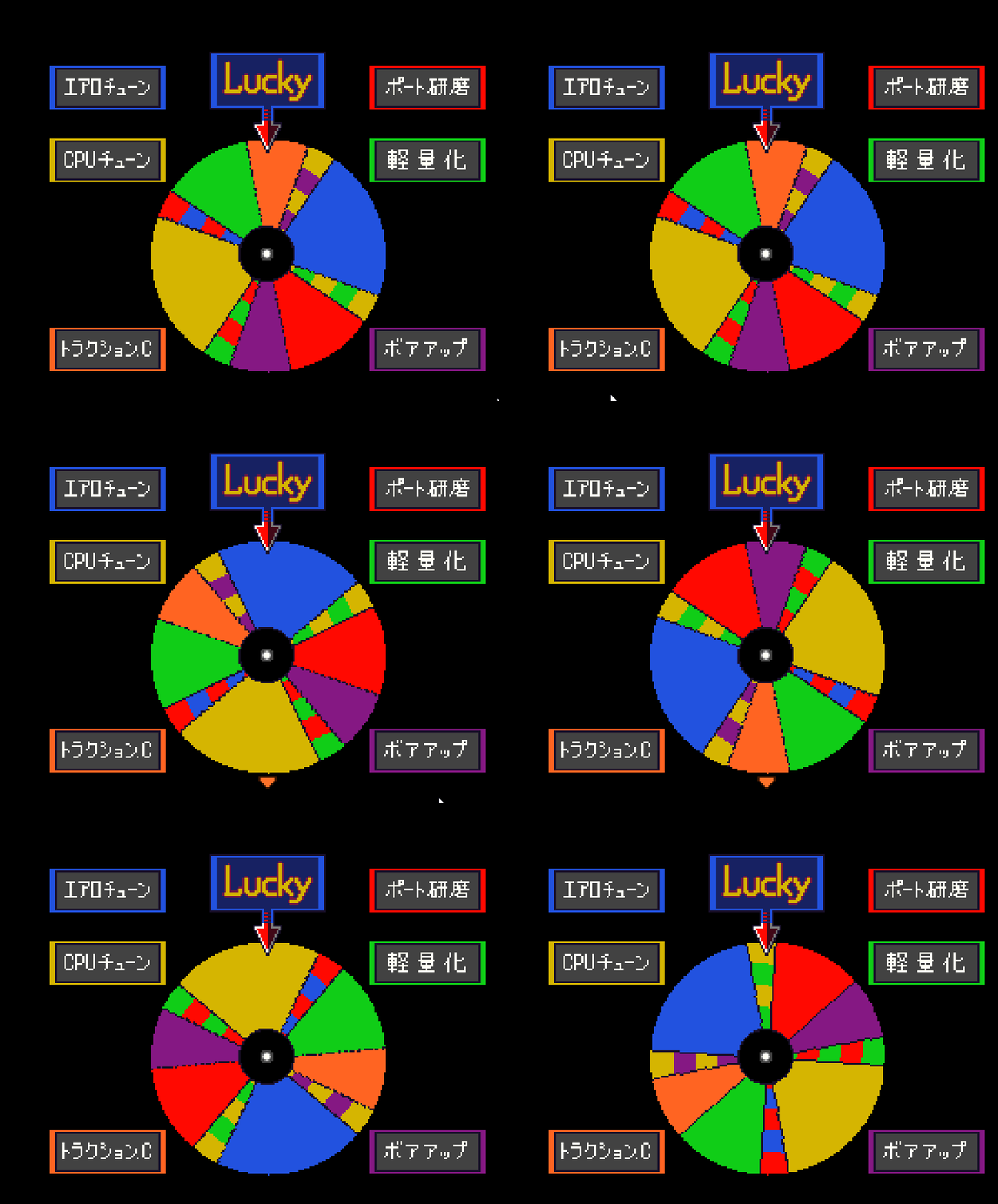
"Would you like to play Tune Roulette? Yes / No
Oh right! I forgot about this. Free upgrades? Yes - Yo DJ - Spin that wheel!
:
Congratulations, CPU Tuning and weight reduction were a hit.
:
We will install it right away.
Awesome! We now have our GT4 - but let’s not stop there. Clearly a homologated rally car isn’t enough, we need to go that extra mile.
Let’s look at the tuning options:
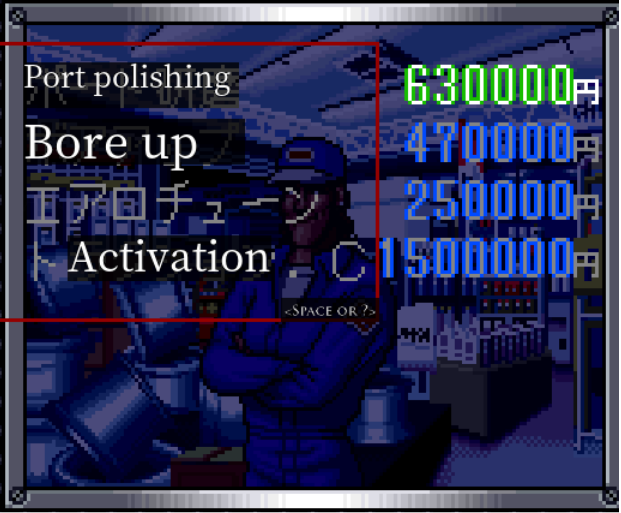
One of everything please.
…Actually hold the traction control for now. That’s worth as much as our MX5 :|
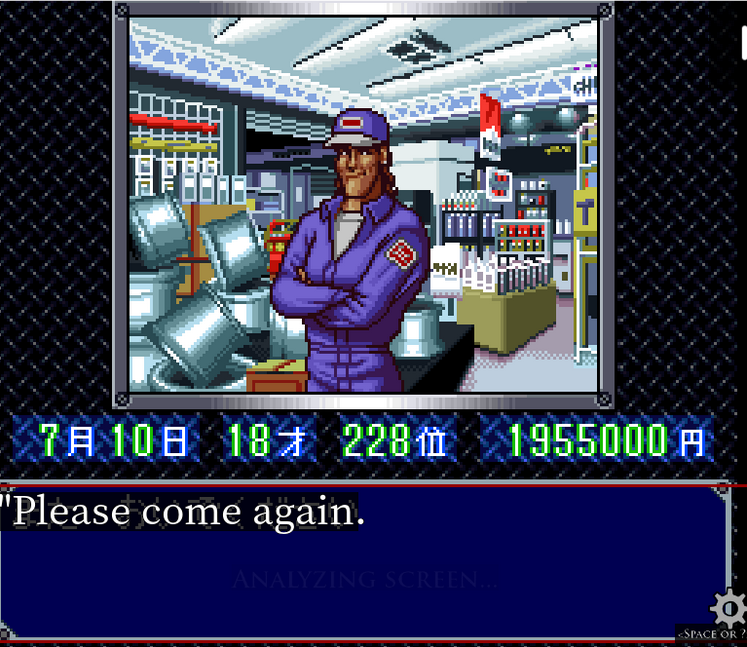
Please come again.
I’m sure we’ll be back for that traction control at some stage…
Notice we didn’t buy any parts? That’s because we should be able to steal them from the MX5.
Yes, like Zero4Champ 2, all bolt on parts are compatible with all models.
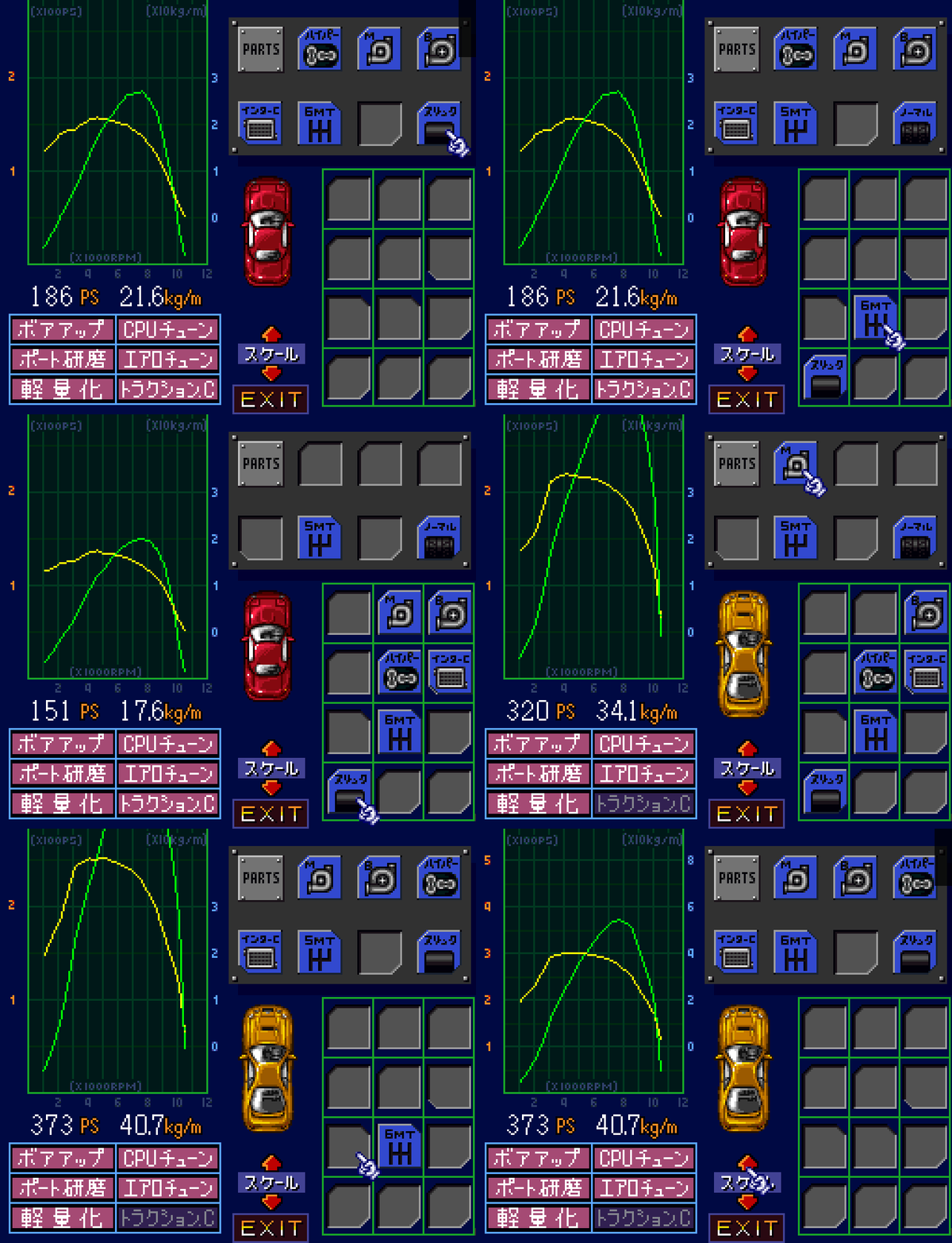
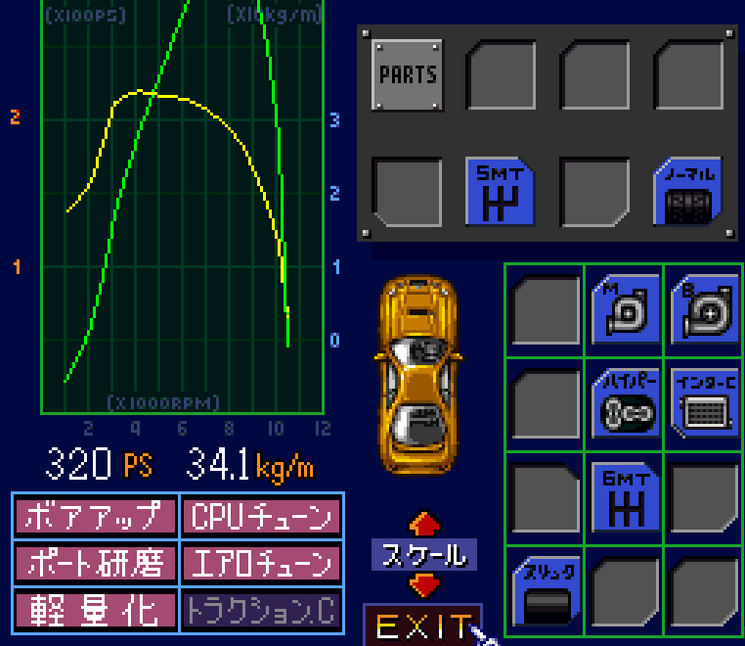
We go from an already impressive 320hp…
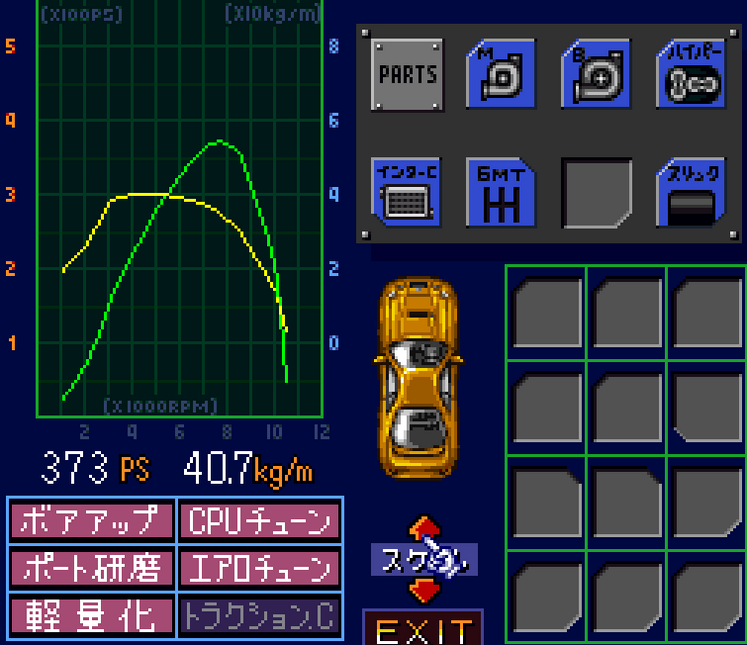
To blistering 373 horsepower! This thing is an absolute rocketship!
... Which brings us to the promised story… the absolute rocketship that this car was in WRC Rally.
I’ll give you my passionate and very likely apocryphal version, and encourage others to add any extra context as (I know you know it better than I do…)
The year was 1995…
Group ‘A’ Rally had been going for about 7 years at this point, which was a set of regulations and rules put in place stating that rally cars had to be based on road going production models and sold to the public. This both improved safety and efficiency of both road and rally cars as the engineering efforts had to satisfy both.
Yes, that glorious word again, homologation, which is why us mere mortals can get our hands on a rally car.
Celica was on the top of the world. Since 1990, they had won manufacturer and / or driver championships each year.
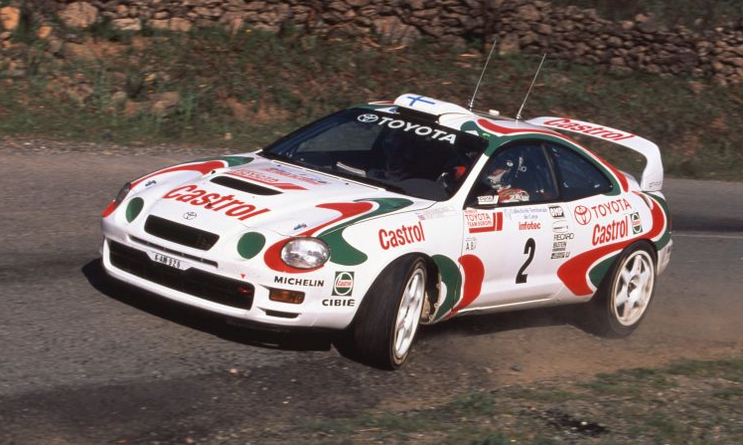
The Celica was simply a phenomenal car. Just ask F1 Commentating Legend Murray Walker
But they were facing increasingly tough competition. Mitsubishi had introduced the Lancer Evolution’s and Subaru had the mighty WRX. And there was still plenty of competition from all the European cars that dominated the rally scene in the 80s, wanting back their crown.
As they always do, engineers and drivers are going to do whatever it takes to ensure they win. So cars were continuing to increase in power and sophistication in search of a dominant edge.
In a never ending effort to try and balance things, the ruling body, the FIA had to ensure that cars were on a somewhat even playing field, and most importantly safe. After all, Group A was put in place because Group B, its predecessor, was killing its drivers with over 700 horsepower monstrosity cars that weighed about the same amount as a carton of cigarettes. FIA did not want that again.
Cars of the 1990’s era were getting the majority of their power gains through turbochargers, which in layman's terms, is a device for converting air to power - and the easiest way to drop their power output is to block their airflow.
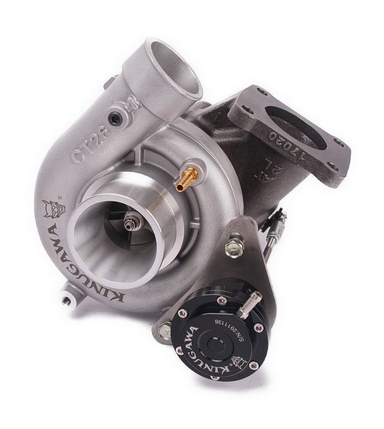
So, to ensure a more even playing field, the FIA imposed that a restrictor device be placed on every turbo charger.
Imagine if you will, the turbo charger is a straw that you are blowing through, and you put another straw with almost the same thickness but much thicker walls inside it so the hole is smaller. Less air can make it's way through the straw now. Or in this case, less air into the turbo, meaning less air in the engine, and less power overall.
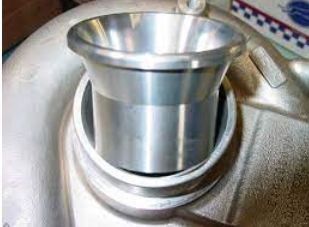
These restrictors weren't anything special, just a metal cone that screwed onto the inlet to make the radius smaller. But they were inspected before every race by FIA officials to ensure they were fitted properly, and no one was trying to cheat.
Fast forward through the 1995 season, and the ‘bugeye’ SRT205 Celica was absolutely dominating the championship. It had won the previous year, and this year, others just couldn't keep up with it.
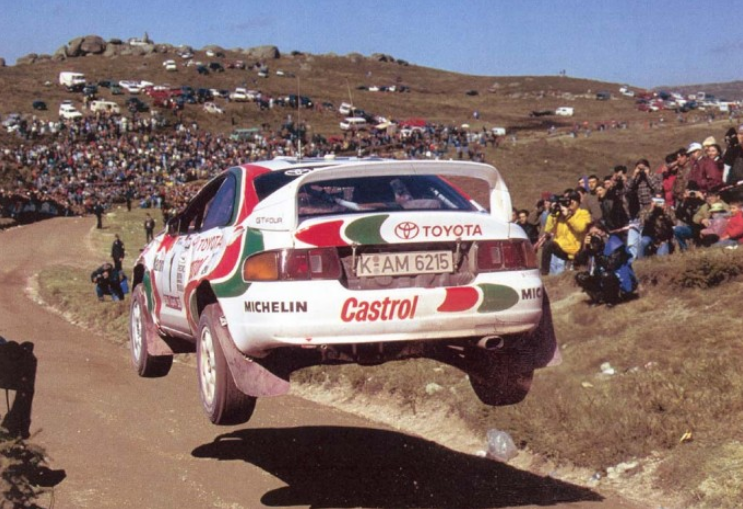
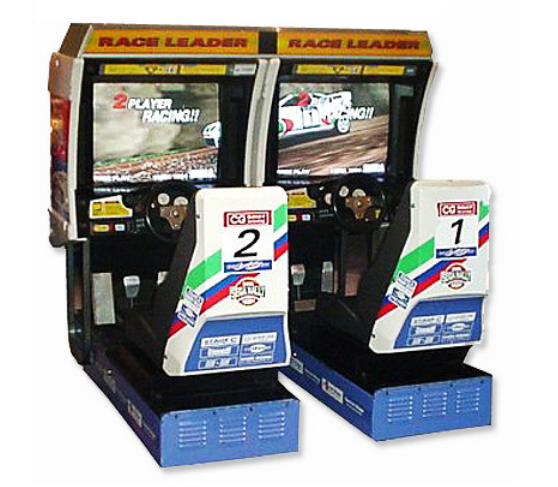
Clearly it was the superior driving skill of the drivers, Toyota’s world class engineers, the amazing 3GSTE engine (also in the MR2, natch) and if you were to ask me, then, or now, it was all about that amazing Castrol Livery and the Sega Rally Championship arcade tie in.
But as they were approaching the last race of the season… someone snitched… and the judges decided to look at the GT4’s turbo a little more closely…
At first glance, things looked normal. The restrictor was in place, as expected, cutting out airflow to the turbo. As far as race inspection went, it passed with flying colours.
However, they were hiding some ingenious engineering…
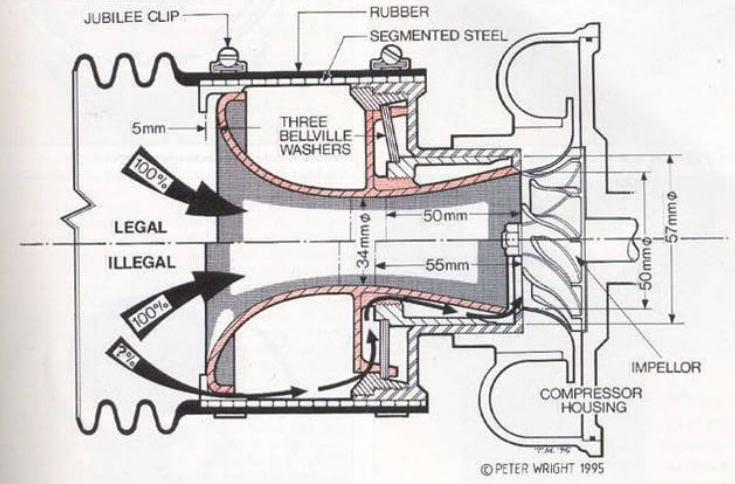
Now I don’t expect you to understand this diagram, and I suspect others here could tell it much better than I can - but the key to it was that when a housing cover for the restrictor plate was tightened, it would actually push the restrictor forward by a whole 5 mm, allowing air to flow around it. When the inspectors unscrewed the cover to take a look, it moved back and everything appeared snug, and normal.
The estimations were that the extra airflow gave the car an extra 25 - 50 horsepower, a clear advantage over the competitors.
The FIA weren’t too kind. Toyota and their drivers were stripped of all their points for the season, and banned from competing the next year. The FIA president said the team's illegal turbo restrictor was "the most sophisticated device I've ever seen in 30 years of motor sports."